

1. Start with easy clues
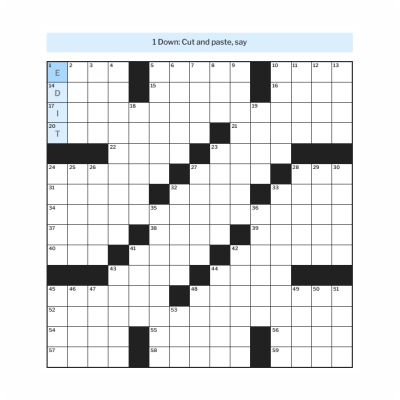
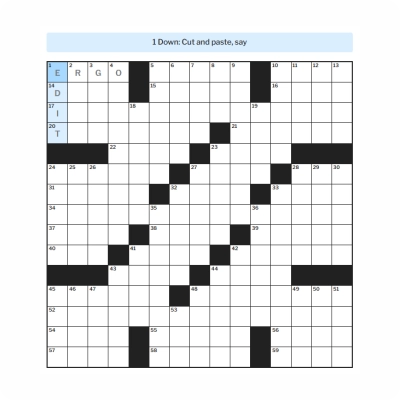
Solve the answers you know immediately to build a useful base of letters.
2. Use crossing letters
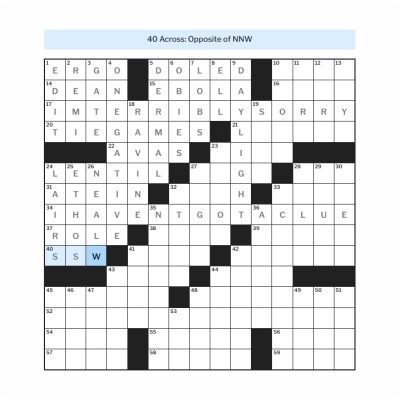
Let letters from completed answers guide you when a clue is difficult.
3. Look at the clue wording
Pay attention to tense, plurals, abbreviations, and question marks for hidden hints.
4. Think of synonyms
A clue may have several possible meanings, so try different words with the same meaning.
5. Check the number of squares
The answer must match the exact space available in the grid.
6. Skip difficult clues
Move on when you get stuck and return later with more crossing letters.
7. Watch for common crossword answers
Short words, abbreviations, and frequently used crossword terms appear often.
8. Review your answers
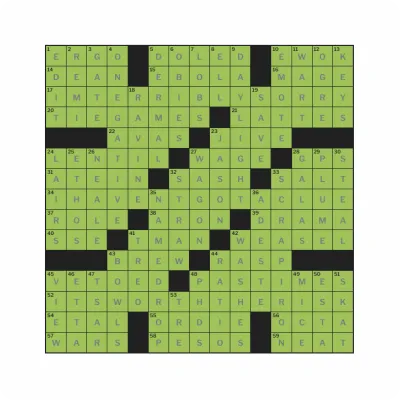
One incorrect letter can make several crossing answers seem impossible, so check questionable entries.
Leave a Reply